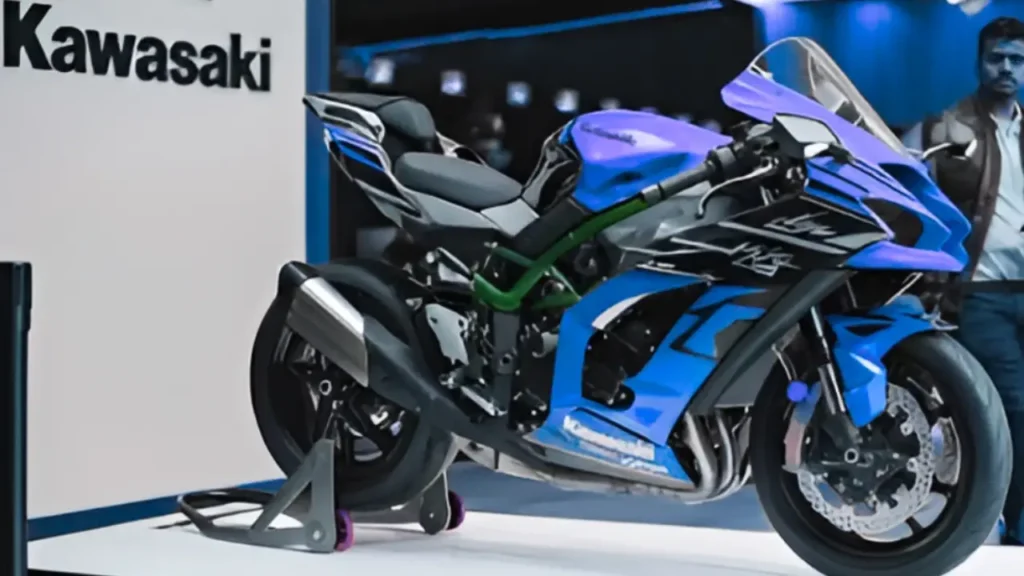
The 2026 Kawasaki Ninja H2R has officially returned to global attention, once again redefining what is possible in the ultra-high-performance motorcycle segment. Built exclusively for closed-circuit use, this motorcycle is not designed for public roads or everyday commuting. Instead, it exists as a pure engineering showcase, where performance, technology, and aerodynamic precision are pushed to their absolute limits.
For 2026, Kawasaki has refined the Ninja H2R formula with subtle but meaningful upgrades. These improvements focus on smoother power delivery, enhanced stability at extreme speeds, and more advanced electronic control systems. The result is a machine that remains uncompromising in character while becoming even more precise and capable on the racetrack.
2026 Kawasaki Ninja H2R Key Specifications Overview
The foundation of the 2026 Ninja H2R remains its legendary supercharged engine. However, mechanical refinements and electronic enhancements elevate overall performance beyond previous iterations.

Engine: 998cc Supercharged Inline-Four
Maximum Power: Factory-rated at over 250 horsepower
Top Speed: Expected to exceed 420 km/h under controlled track conditions
Frame: High-rigidity trellis steel frame
Electronics: Advanced traction control, launch assist, selectable ride modes
Instrument Cluster: Fully digital TFT display with Bluetooth functionality
These figures firmly place the Ninja H2R among the most powerful production motorcycles ever created. Even by modern hyperbike standards, the numbers remain extraordinary.
2026 Kawasaki Ninja H2R Launch Timeline and Availability
Kawasaki officially unveiled the Ninja H2R 2026 toward the end of 2025, confirming that global deliveries are scheduled to begin in the first half of 2026. As with previous H2R models, production will be strictly limited.
This limited availability adds significantly to the motorcycle’s appeal. The H2R is targeted at professional track riders, racing teams, and serious collectors rather than casual enthusiasts. In several international markets, authorized dealers have already begun accepting pre-bookings, and early reservations are strongly advised due to restricted allocations.
How the 2026 Kawasaki Ninja H2R Engine Delivers Extreme Performance
At the heart of the 2026 Ninja H2R lies a refined version of Kawasaki’s iconic 998cc supercharged inline-four engine. While displacement remains unchanged, internal upgrades have improved efficiency and responsiveness.
On the track, these refinements translate into stronger straight-line speed and improved control when exiting corners. Skilled riders can exploit the engine’s full potential with greater confidence, even under extreme riding conditions.
Aerodynamics and Stability Enhancements for 2026
Aerodynamics play a critical role in the Ninja H2R’s performance, especially at speeds well beyond 400 km/h. For the 2026 model year, Kawasaki has revised the winglets and bodywork to generate increased downforce while reducing unnecessary drag.
Despite these functional changes, the H2R retains its unmistakable aggressive design language. The sharp body lines and exposed mechanical elements continue to reflect the motorcycle’s raw, uncompromising purpose.

2025 vs 2026 Kawasaki Ninja H2R Comparison
A comparison between the previous and current versions highlights Kawasaki’s focus on refinement rather than cosmetic changes.
Engine: 998cc Supercharged (both models)
Power Output: Approx. 227 HP (2025) vs over 250 HP (2026)
Top Speed: 400+ km/h (2025) vs 420+ km/h expected (2026)
Aerodynamics: Advanced winglets vs redesigned high-downforce winglets
Electronics: Standard traction control vs enhanced traction control with launch assist
This evolution shows a clear emphasis on performance consistency, rider control, and stability at extreme speeds.
Advanced Electronics and Digital Technology
The 2026 Ninja H2R features an updated electronics package designed to support riders in high-risk, high-speed environments. The enhanced traction control system reacts more precisely to wheel slip, helping maintain stability during aggressive acceleration.
A major technological upgrade is the new TFT digital instrument cluster with Bluetooth connectivity. Riders can monitor detailed performance data, system diagnostics, and riding metrics with greater clarity, adding a modern digital layer to an already futuristic machine.
Why the 2026 Kawasaki Ninja H2R Sets a New Benchmark
The Ninja H2R has always represented the outer edge of motorcycle engineering. The 2026 version strengthens this reputation by combining increased power, refined aerodynamics, and advanced electronic control into a single, track-focused package.
Although it remains strictly closed-circuit only, the H2R serves as an important innovation platform. Technologies developed for this model often influence future road-legal Kawasaki performance motorcycles, making it significant beyond its limited production numbers.
Practical Riding Tips for the 2026 Kawasaki Ninja H2R
• Use selectable ride modes to match track conditions and rider experience
• Rely on launch assist for controlled and consistent starts
• Maintain correct tire pressure to ensure maximum grip and safety
• Invest in professional track training before exploring the bike’s limits
• Keep electronics updated through official Kawasaki software releases
With these considerations in mind, the 2026 Kawasaki Ninja H2R stands as one of the most extreme and technologically advanced motorcycles ever built, designed solely for those who understand and respect its uncompromising nature.

Hi, I’m Saim, the author and content creator at Nars. I’m passionate about smartphones, automobiles, and emerging technology. I enjoy researching new devices, analyzing features, and sharing honest, easy-to-understand information with readers. My goal is to create high-quality, original content that helps people stay updated and choose the right products with confidence.